PCOS Diet Plan for Beginners: Foods to Eat, Foods to Avoid & Simple Meal Ideas
PCOS Diet Plan for Beginners: Foods to Eat, Foods to Avoid & Simple Meal Ideas
Readolve Publications
7/4/20266 min read
PCOS Diet Plan for Beginners: Foods to Eat, Foods to Avoid & Simple Meal Ideas
IN THIS ARTICLE
1. What Is a PCOS Diet?
2. Why Nutrition Matters
3. Benefits of a PCOS Diet
4. Sample Meal Plan
5. Build a Balanced Plate
6. Common Diet Mistakes
7. Food Comparison Table
7. Key Takeways
8. FAQ's
Confused by conflicting PCOS diet advice? This beginner-friendly guide simplifies what to eat, what to limit, and how to build balanced meals that support your hormones, energy, and long-term health.
WHAT YOU'LL LEARN
How a PCOS-friendly diet supports hormone and metabolic health
The best foods to include for managing PCOS symptoms
Foods and drinks to limit for better blood sugar control
How nutrition affects insulin resistance and energy levels
A simple one-day PCOS meal plan for beginners
JULY 17, 2026
RELATED BOOKS

08 Min Read
Share:


If you've recently been diagnosed with PCOS, one of the first questions that may come to mind is:
"What should I eat?" It's a fair question.
The internet is full of conflicting advice. Some people recommend cutting out all carbohydrates. Others suggest eliminating dairy, gluten, or entire food groups. Before long, eating can start to feel confusing and stressful.
The truth is that there isn't one perfect PCOS diet that works for everyone. However, research consistently shows that certain nutrition habits can support better blood sugar control, hormone balance, energy levels, and overall wellbeing.
The goal isn't perfection. It's creating a sustainable way of eating that supports your body for the long term.
Quick Answer: What Is the Best PCOS Diet?
The best PCOS diet focuses on whole, nutrient-dense foods that help support stable blood sugar levels and reduce insulin resistance.
A PCOS-friendly eating pattern typically includes:
Lean protein
Fiber-rich vegetables
Whole grains
Healthy fats
Fruits in moderation
Plenty of water
Many women with PCOS benefit from limiting highly processed foods, sugary drinks, and excessive refined carbohydrates.
Definition: What Is a PCOS Diet Plan?
A PCOS diet plan is not a restrictive or temporary diet.
Instead, it is a balanced approach to nutrition designed to support:
Hormonal health
Insulin sensitivity
Energy levels
Weight management
Reproductive health
Long-term wellness
Because insulin resistance is common among women with PCOS, many dietary recommendations focus on helping the body regulate blood sugar more effectively.
Why Nutrition Matters for PCOS
Food directly influences several factors associated with PCOS.
These include:
Blood sugar regulation
Insulin production
Inflammation
Hormone balance
Energy levels
Appetite control
While nutrition alone cannot cure PCOS, healthy eating habits can play an important role in symptom management.
Benefits of Following a PCOS-Friendly Diet
1. Better Blood Sugar Control
Balanced meals help prevent rapid spikes and crashes in blood sugar levels. This is especially important because insulin resistance is commonly associated with PCOS.
2. Improved Energy Levels
Many women report more stable energy throughout the day when they prioritize protein, fiber, and whole foods.
3. Easier Weight Management
Improving insulin sensitivity may help make weight management less frustrating.
4. Better Hormonal Balance
Nutritious foods provide essential vitamins, minerals, and nutrients that support overall hormonal health.
5. Support for Fertility
Healthy eating patterns may help support ovulation and reproductive wellness.
Foods to Eat With PCOS
Rather than focusing only on what to avoid, it's often more helpful to know what to include.
1. Protein-Rich Foods
Protein helps support satiety and blood sugar stability. Examples include: Eggs, Chicken, Turkey, Fish, Greek yogurt, Cottage cheese, Tofu, Lentils, Beans
2. Fiber-Rich Vegetables
Vegetables are packed with nutrients and help slow digestion. Good choices include: Broccoli, Spinach, Kale, Bell peppers, Cauliflower, Cucumbers, Zucchini, Green beans
3. Healthy Fats
Healthy fats help support hormone production and overall health. Examples: Avocados, Olive oil, Nuts, Seeds, Nut butters, Fatty fish
4. Whole-Grain Carbohydrates
Whole grains contain more fiber than refined carbohydrates. Examples: Oats, Brown rice, Quinoa, Whole wheat bread, Whole grain pasta
5. Fruits
Fruit can absolutely be part of a PCOS-friendly diet. Good options include: Berries, Apples, Pears, Oranges, Kiwi
Foods to Limit With PCOS
No food needs to be completely forbidden. However, some foods may make symptom management more difficult when consumed frequently.
1. Sugary Beverages- Examples include: Soda, Sweetened coffee drinks, Energy drinks, Sweet tea
2. Highly Processed Snacks- Examples: Chips, Candy, Cookies, Packaged desserts
3. Refined Carbohydrates- Examples: White bread, White rice, Pastries, Sugary breakfast cereals
4. Excessive Fast Food- Frequent consumption of highly processed fast food may contribute to inflammation and poor blood sugar control.
Example: A Simple PCOS-Friendly Day of Eating
1. Breakfast: Greek yogurt with berries and chia seeds
2. Snack: Apple with peanut butter
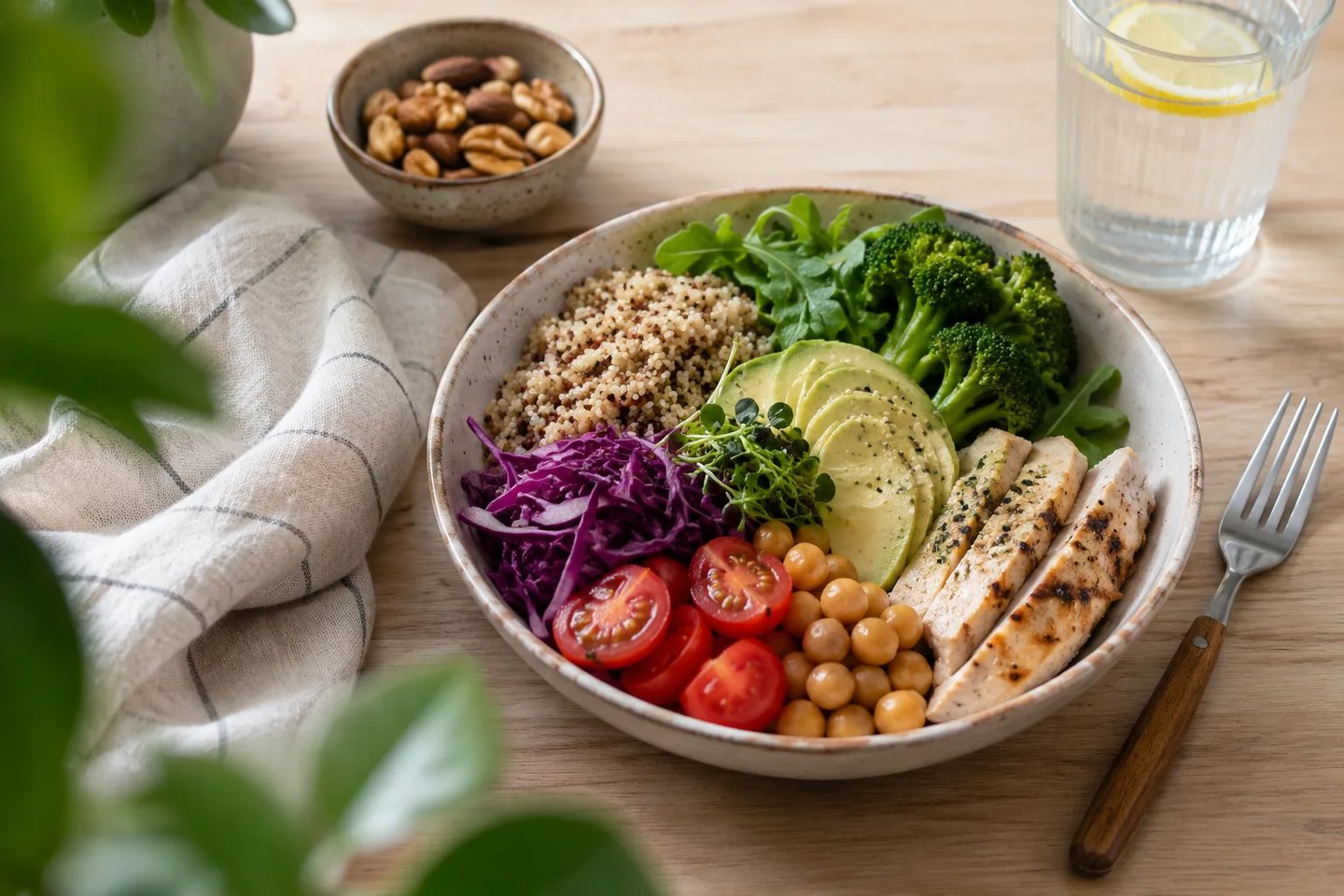
3. Lunch: Grilled chicken, mixed vegetables, and quinoa
4. Snack: Handful of almonds
5. Dinner: Baked salmon, roasted vegetables, and brown rice. This is only an example. Individual needs vary based on age, activity level, and health goals.
5 Steps to Build a PCOS-Friendly Plate
Step 1: Start With Protein- Protein should be the foundation of most meals. Examples: Eggs, Fish, Chicken, Tofu, Beans
Step 2: Add Vegetables- Fill at least half your plate with vegetables whenever possible.
Step 3: Choose Smart Carbohydrates- Focus on:
Oats, Brown rice, Quinoa, Sweet potatoes
Step 4: Include Healthy Fats- Examples: Olive oil, Avocado, Nuts, Seeds
Step 5: Stay Hydrated- Water supports overall health and may help reduce cravings for sugary beverages.
Common Mistakes Women Make on a PCOS Diet
Mistake 1: Cutting Out All Carbohydrates: Carbohydrates are not the enemy. The key is choosing higher-quality, fiber-rich sources.
Mistake 2: Following Extreme Diet Trends: Very restrictive diets may be difficult to maintain long term. Consistency is often more effective than perfection.
Mistake 3: Skipping Meals: Skipping meals may contribute to energy crashes and increased hunger later in the day.
Mistake 4: Ignoring Protein: Protein helps support satiety and blood sugar regulation.
Mistake 5: Expecting Immediate Results: Hormonal and metabolic improvements often take time. Small, consistent habits usually create the best long-term outcomes.
Foods for PCOS: Quick Comparison Table
Include More Often Limit More Often
1. Vegetables Sugary drinks
2. Fish Candy
3. Eggs Pastries
4. Oats Sweetened cereals
5. Quinoa White bread
6. Berries Packaged desserts
7. Nuts and seeds Processed snacks
Key Takeaways
A PCOS diet focuses on balance, not restriction.
Protein, fiber, and healthy fats help support blood sugar stability.
Whole foods are generally more beneficial than highly processed foods.
Consistency matters more than following a perfect diet.
Sustainable habits often lead to better long-term results.
Stay Curious
Receive thoughtful essays, book recommendations, and practical insights directly in your inbox.
No Spam. Unsubscribe anytime.
Want to Learn Faster ?



Readolve
Readolve
Readolve



Related Readolve Resources
To continue learning about women's health and hormonal wellness, explore:
PCOS Symptoms, Causes, Treatment & Natural Management Guide
PCOS Weight Loss: Why It Is Hard and What Actually Works
Insulin Resistance and PCOS: The Hidden Connection
The Best Exercises for Women With PCOS
Hormonal Imbalance Symptoms in Women
You can also explore additional wellness and personal development resources through the Readolve collection:
Author
Readolve Editorial Team
Credentials
Health & Wellness Researchers | Evidence-Based Wellness Education
Expertise
Women's Health
Nutrition
Hormonal Health
Lifestyle Wellness
Preventive Health Education
Medical Disclaimer
This article is intended for educational purposes only and should not be considered medical advice. Always consult a qualified healthcare professional regarding diagnosis, treatment, or changes to your diet or healthcare routine.
Last Updated
June 2026
Fact Checked
Yes
"Let food be thy medicine and medicine be thy food."
— Hippocrates
Join Thousands of Curious Readers
Get weekly wisdom and exclusive content from Readolve Journal


Address:
New Delhi, India
Contacts:
hello@readolve.com